
Businesses in ChatGPT | What South African Businesses Can Do Now |

Imagine someone planning a weekend in the Winelands asks ChatGPT, “Which Stellenbosch guesthouses have family rooms, secure parking and breakfast included?”
Would your website give them enough information to consider yours?
On 10 November 2026, OpenAI launched Businesses in ChatGPT in beta. Eligible businesses can claim a profile, verify ownership and update their information through OpenAI’s Business Hub. It gives businesses a direct way to share accurate details with ChatGPT while customers are exploring their options.
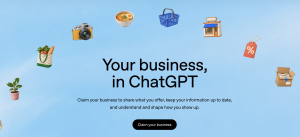
Once verified, eligible businesses can manage details such as their description, services and website links. Retailers can also submit product information, including prices and availability. Business Hub offers insights into how often a business is mentioned, how many website clicks it receives and what people are asking about when its website is cited.
ChatGPT can already mention businesses in relevant answers. Claiming gives you a way to manage the information you supply. ChatGPT still makes its own recommendations, and claiming a profile does not guarantee placement.
Eligible South African online businesses can check Business Hub now. OpenAI says eligible businesses can claim a profile in countries where ChatGPT is available, and South Africa is on that list. Sign in to ChatGPT, open Business Hub and search for your business. Eligible online businesses may see an option to add their business if it doesn’t appear.
The rollout is narrower for physical businesses. OpenAI’s setup guide currently says local shops and restaurants can only claim an existing US listing. OpenAI’s new Business Agents are also starting with eligible US ecommerce and online service businesses. For a South African business that serves customers in person, check what Business Hub offers for your specific business before planning around a claim.
Start with the questions your customers already ask by phone or WhatsApp. A roofer might hear, “Do you repair flat-roof leaks in Durbanville?” A wholesaler might hear, “Do you deliver to Somerset West, and what’s the minimum order?” Those are the details worth putting on your website.
We’ll review what a potential customer can find about your business, identify missing or inconsistent information, and help you improve the pages and listings that matter most. If your business is eligible, we can also guide you through the ChatGPT Business Hub claim process.
Want to see what ChatGPT says about your business today? Send us your website address and the area you serve. Get in touch with Modern Web Presence.

